
A performance-and-renewal look at Modi 3.0, the ministers who deliver, and the reset India may see before 2029.
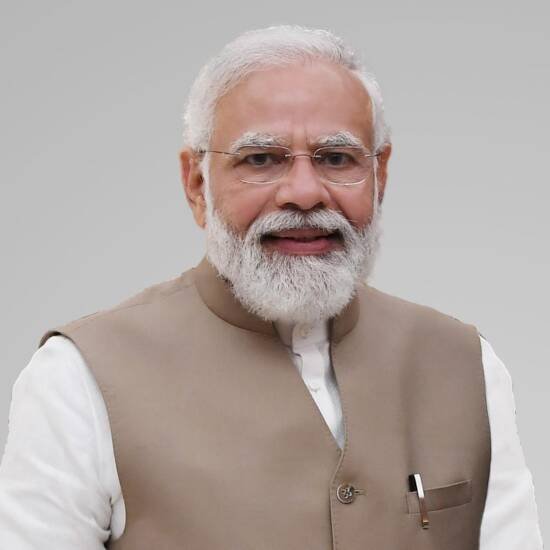
In Indian politics, Cabinet reshuffles are usually reported like cricket team selections. Who is in? Who is out? Who has been dropped? Who has been rewarded?
That makes good television, but it often misses the bigger question.
The real question before Narendra Modi is not merely whether one minister deserves promotion and another deserves retirement. The deeper question is this:
If Modi seeks another mandate in 2029, can he go back to the voter with the same familiar faces, the same portfolios and the same governance story?
Or does he need to build a new team around the next set of national priorities?
This is not a small issue. By 2029, the Modi era will have completed fifteen years in power. That is long enough for even successful governments to suffer from sameness. Achievements remain real, but the emotional freshness fades. Voters may still respect the captain. But they begin to ask whether the team has enough new energy.
That is why the cabinet question must be seen not as gossip, but as strategy.
Modi does not only need competent ministers. He needs a cabinet that tells voters:
This government is still hungry.
It is still learning.
It is still upgrading itself.
It is still building for the future.
How I have looked at the Cabinet
The purpose of this exercise is not to produce a hit-list. Governments are more complex than television panels allow.
A ministry may perform well because the Prime Minister’s Office drives it. Another may look dull in public but quietly deliver. A minister may be politically useful even if the ministry is administratively ordinary. Equally, a visible minister may be overrated if the outcomes do not match the publicity.
So I have used three lenses.
First, ministry performance: what has actually been delivered?
Second, minister effect: is there evidence of personal ownership, administrative grip and communication ability?
Third, 2029 political utility: does the minister help the BJP or NDA speak to voters who will matter in the next election?
The scores below are not final judgments carved in stone. They are a structured first pass. They are designed to make the debate better: less personality worship, less lazy criticism, and more focus on delivery, visibility and political renewal.
The Cabinet scorecard: who looks strong, who needs a reset?
Using this framework, the average score across the top 25 ministries is 70.4. That becomes the practical line of review.
Those above it are not automatically brilliant. Those below it are not automatically failures. But below-average ministries should be examined for replacement, restructuring or stronger deputy support.
| Rank | Ministry / Portfolio | Minister | Score | Blog Verdict | Suggested Action |
|---|---|---|---|---|---|
| 1 | External Affairs | S. Jaishankar | 83 | Strongest individual-brand minister | Retain and empower |
| 2 | Home Affairs / Cooperation | Amit Shah | 82 | Politically central, high-control ministry | Retain; no experiment |
| 3 | Road Transport & Highways | Nitin Gadkari | 80 | Delivery brand still strong | Retain; fix road safety |
| 4 | Electronics & IT | Ashwini Vaishnaw | 77 | Future-facing, strategic | Retain; reduce overload |
| 5 | Defence | Rajnath Singh | 76 | Stable, serious, low-drama | Retain; add defence-tech thrust |
| 6 | Rural Development | Shivraj Singh Chouhan | 76 | Huge voter impact | Empower as rural face |
| 7 | Agriculture | Shivraj Singh Chouhan | 74 | Crucial for rural reset | Empower; make visible |
| 8 | Finance / Corporate Affairs | Nirmala Sitharaman | 73 | Stable but politically dry | Retain or refresh communication |
| 9 | Railways | Ashwini Vaishnaw | 73 | High visibility, high risk | Needs full-time attention |
| 10 | New & Renewable Energy | Pralhad Joshi | 73 | Strong sectoral tailwind | Upgrade future-growth story |
| 11 | Civil Aviation | K. Rammohan Naidu | 71 | Young NDA reset face | Retain and project more |
| 12 | Communications / Telecom | Jyotiraditya Scindia | 71 | Important, but BSNL/BharatNet drag | Retain with hard KPIs |
| 13 | Health & Family Welfare | J. P. Nadda | 69 | High importance, low energy | Reset or strengthen |
| 14 | Petroleum & Natural Gas | Hardeep Singh Puri | 68 | Competent but constrained | Retain or move strategically |
| 15 | Ports, Shipping & Waterways | Sarbananda Sonowal | 68 | Under-sold growth opportunity | Elevate maritime narrative |
| 16 | Commerce & Industry | Piyush Goyal | 68 | Exports need sharper result | Review / reset mandate |
| 17 | Power | Manohar Lal | 67 | Important sector, low recall | Split and strengthen |
| 18 | Labour & Employment | Mansukh Mandaviya | 67 | Jobs narrative crucial | Upgrade visibility |
| 19 | Heavy Industries / Steel | H. D. Kumaraswamy | 66 | Coalition utility; mixed energy | Keep coalition, add executor |
| 20 | Food & Public Distribution | Pralhad Joshi | 66 | Welfare relevance, low recall | Modernise PDS story |
| 21 | Education | Dharmendra Pradhan | 63 | Exam/outcome scrutiny | Candidate for reset |
| 22 | Jal Shakti | C. R. Patil | 63 | Coverage claims need audit | Audit hard |
| 23 | MSME | Jitan Ram Manjhi | 63 | Coalition value; weak visibility | Add dynamic economic face |
| 24 | Housing & Urban Affairs | Manohar Lal | 62 | High impact, low ownership | Needs urban reform face |
| 25 | Women & Child Development | Annpurna Devi | 62 | High social value, low recall | Needs 2029-facing voice |
The high performers: continuity where the cost of change is high
Some ministers should not be moved casually.
S. Jaishankar has created one of the clearest personal brands in the Council of Ministers. In foreign policy, he does not merely occupy the chair; he explains the chair. He has turned India’s diplomacy into a publicly understood argument: strategic autonomy, national interest, diaspora protection and a refusal to be lectured by old power centres.
Amit Shah is a different kind of minister. He is less a portfolio-holder and more the political operating system of the government. Home Affairs, internal security, federal politics and party strategy are closely intertwined in his case. Whether one agrees with his politics or not, it is hard to imagine Modi treating him as a normal cabinet variable.
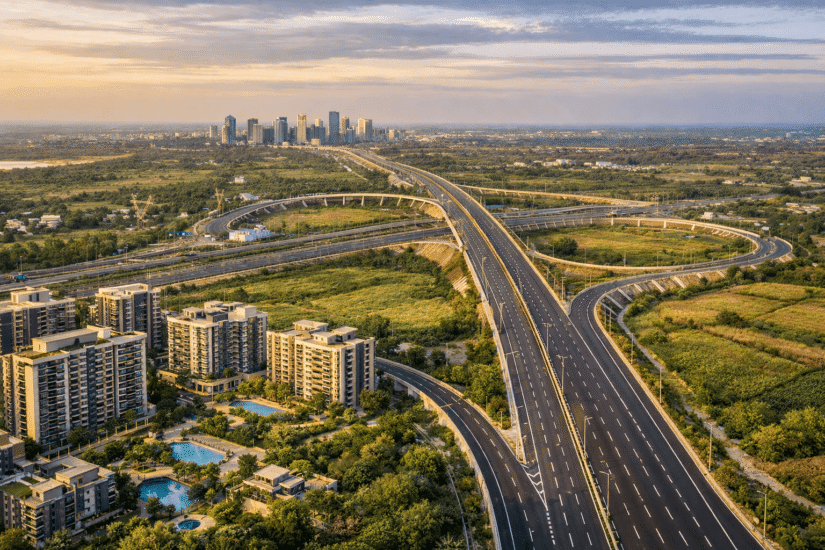
Nitin Gadkari remains the most visible delivery minister for physical infrastructure. Roads are tangible. People drive on them, pay tolls on them, complain about them and still recognise the scale of change. But even here, admiration must not become blindness. Road safety, toll burden, construction quality and project slowdown require serious review.
Rajnath Singh provides stability in Defence. That may sound boring, but in a security ministry, boring can be an asset. The larger defence story — indigenous production, exports, modernisation and strategic readiness — is positive. The challenge is speed: theatre commands, procurement reform and deep technology capabilities cannot move at file-pushing speed.
Shivraj Singh Chouhan is perhaps the most interesting political asset in the cabinet. Agriculture and Rural Development together are heavy portfolios, but they also create a coherent 2029 political story: farmers, villages, rural welfare and last-mile delivery. If Modi wants a rural reset, Shivraj is a natural face.
The overloaded minister problem
The first big structural issue is not who is weak.
It is who is overloaded.
Ashwini Vaishnaw is a capable minister. But Railways, Information & Broadcasting, and Electronics & IT together are too much. Railways alone can consume a full-time minister: safety, crowding, punctuality, station redevelopment, capex, freight, staff morale and public anger after accidents.
MeitY is equally strategic: semiconductors, AI, electronics manufacturing, data governance and cybersecurity. These are not side portfolios.
The same logic applies to Manohar Lal, who carries Power and Housing & Urban Affairs. Both are execution-heavy. One is about energy reliability and transition. The other is about urban India — metros, housing, flooding, sanitation, municipal capacity and middle-class quality of life. Putting both under a low-national-recall minister weakens the political narrative.
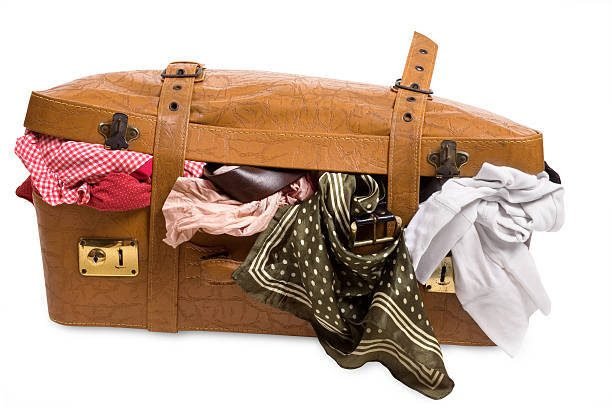
The cabinet of 2029 cannot run like an overpacked suitcase. It may close with pressure, but something will wrinkle.
Below-average ministries: replace, split or strengthen?
The practical cabinet average in this scorecard is 70.4. The ministries below that line should be reviewed.
This does not mean every current minister should be removed. Coalition compulsions matter. Regional balance matters. But Modi has three tools:
Replace.
Split portfolios.
Add an empowered deputy executor.
| Ministry needing reset | Current Minister | Suggested new face / reset | Reason |
|---|---|---|---|
| Health & Family Welfare | J. P. Nadda | Anupriya Patel / Mansukh Mandaviya | Mission-mode visibility; health needs stronger voter-facing energy |
| Petroleum & Natural Gas | Hardeep Singh Puri | Baijayant Panda / retain with energy-transition deputy | Strategic but constrained; needs clear communication on fuel and energy security |
| Ports, Shipping & Waterways | Sarbananda Sonowal | Baijayant Panda | India’s maritime opportunity is under-sold; Panda can make it a national growth story |
| Commerce & Industry | Piyush Goyal | Jitin Prasada / Anurag Thakur | Exports, manufacturing and investment need sharper political communication |
| Power | Manohar Lal | Shripad Yesso Naik / Jitin Prasada | Split from Urban Affairs; give power transition a focused face |
| Labour & Employment | Mansukh Mandaviya | Jayant Chaudhary | Jobs, skilling and youth anxiety need one coherent ministerial story |
| Heavy Industries | H. D. Kumaraswamy | Jitin Prasada as executor; retain coalition balance | EVs, batteries and manufacturing policy require energetic execution |
| Food & Public Distribution | Pralhad Joshi | Chirag Paswan | Food economy, nutrition and Bihar/NDA value can be linked |
| Education | Dharmendra Pradhan | Jayant Chaudhary + Bansuri Swaraj as MoS | Recast education as learning + skills + jobs + exam credibility |
| Jal Shakti | C. R. Patil | V. Somanna / Chandra Sekhar Pemmasani | Tap-water numbers need functionality, quality and audit credibility |
| MSME | Jitan Ram Manjhi | Anurag Thakur / Jitin Prasada | MSME needs credit, digitisation, exports and jobs communication |
| Housing & Urban Affairs | Manohar Lal | Murlidhar Mohol / Tejasvi Surya | Urban India needs a younger, city-facing reform voice |
| Women & Child Development | Annpurna Devi | Bansuri Swaraj / Anupriya Patel | Women and child welfare needs a visible 2029-facing voice |
Education: the most obvious reset candidate
If one ministry needs a fresh political treatment, it is Education.

India has an ambitious National Education Policy, a young population and a massive employability challenge. But voters do not experience education through policy documents. They experience it through exams, college quality, coaching pressure, job readiness and trust in the system.
That is why Education should be reframed as a youth-and-jobs ministry, not just a schooling-and-university ministry.
Jayant Chaudhary is a logical option because he already sits near the skills and education space and brings coalition value from western Uttar Pradesh. Pairing him with a young, articulate MoS such as Bansuri Swaraj would give the ministry a fresher public face and better parliamentary communication.
For 2029, youth anxiety cannot be answered with brochures. It needs a ministerial face who can speak the language of learning, skills, exams and jobs in one breath.
Women and Child Development: too important to remain invisible
Women and Child Development is one of the most politically under-leveraged ministries in India.
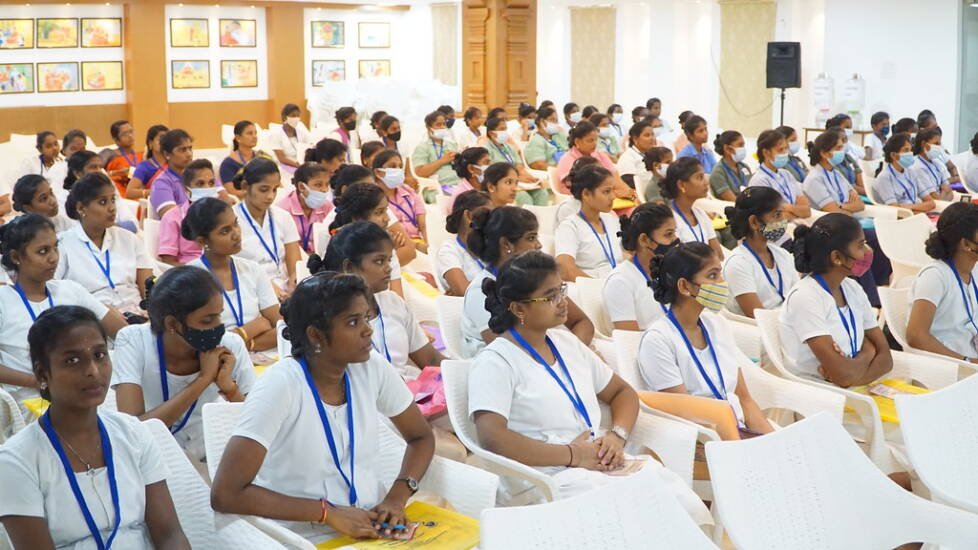
Nutrition, Anganwadis, women’s safety, early childhood care and adolescent girls are not minor welfare items. They are the foundation of human capital.
Yet the ministry has low public recall. That is a problem. If the BJP/NDA wants to speak credibly to women voters in 2029, WCD cannot remain a background ministry.
Bansuri Swaraj would be a bold generational signal. Anupriya Patel would bring social coalition value, welfare experience and UP relevance. Either way, the ministry needs a visible voice.
Railways: the glamour and the danger
Railways is one of the most dangerous ministries in Indian politics.
When it works, the minister rarely gets full credit. When it fails, the anger is immediate and emotional. Safety incidents, crowding, delays, ticketing stress and station chaos can damage even a larger development narrative.
That is why Ashwini Vaishnaw’s portfolio load should be reduced.
He may be better used as India’s technology-and-manufacturing face through MeitY, AI, electronics and semiconductors. Railways needs a dedicated full-time minister who wakes up every morning thinking only of trains, passengers, safety, staff and freight.
Vande Bharat is a good symbol, but Indian Railways is too large to be run on symbolism alone.
Commerce, MSME and Labour: combine the jobs story
A 2029 cabinet reset must treat jobs as a political system, not as a slogan.
Jobs are not created by one ministry. They sit at the intersection of Commerce, MSME, Labour, Skill Development, Heavy Industries, Electronics, Infrastructure and Finance.
That is why Commerce and Industry, MSME and Labour should not be treated as sleepy administrative ministries. They should become the centre of a national jobs-and-enterprise narrative.
MSMEs need credit, digitisation, export access, payment discipline and simpler compliance. Commerce needs sharper export outcomes. Labour needs credibility on employment quality, not just headline announcements.
This is where ministers such as Jitin Prasada, Anurag Thakur and Jayant Chaudhary become useful. Jitin is already within Commerce/MeitY. Anurag can communicate and campaign. Jayant can carry the skill-and-jobs plank.
The point is not merely to reshuffle names. It is to make jobs visible as a cabinet priority.
Urban India: the neglected 2029 battlefield
Urban India is politically restless.
It wants roads, metros, water, drainage, safety, housing, clean air and predictable services. It also pays taxes and complains loudly when it does not get value.
Housing & Urban Affairs should therefore be a flagship ministry, not a low-recall portfolio.
Murlidhar Mohol could be an interesting urban face, especially with Maharashtra relevance. Tejasvi Surya would be a high-risk, high-energy option for urban youth, tech cities and metro politics. Whether one likes his style or not, he would give the ministry visibility.
The larger point is simple: the urban middle class should not feel that it is remembered only during tax season.
Maritime India: the opportunity hiding in plain sight
Ports, Shipping and Waterways should be a much bigger political story than it currently is. Read my blog “Can India Become the Singapore of the Indian Ocean?“
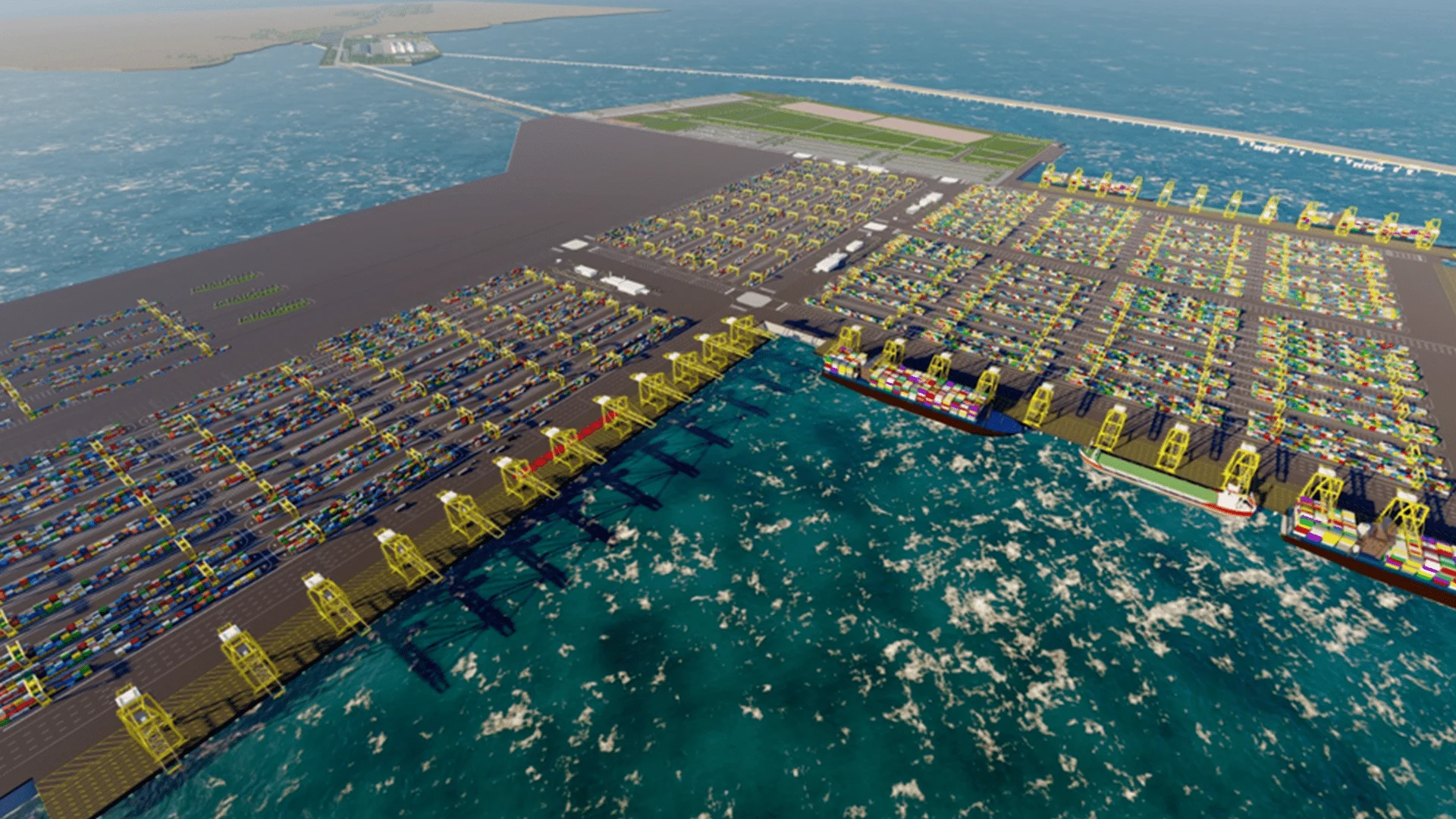
India talks about roads and railways all the time, but global trade still moves on water. Ports, coastal shipping, inland waterways, shipbuilding and maritime logistics can become a powerful economic-nationalist story.
Baijayant Panda is a natural bench option for such a portfolio. Odisha matters. Maritime geography matters. Communication matters.
If India wants to talk seriously about global supply chains, shipping routes and trade power, Ports and Shipping cannot remain under-covered. It should become part of the India-as-trading-power narrative.
The coalition layer cannot be ignored
Modi 3.0 is not the same as Modi 2.0.
Coalition management matters more. That means not every ministerial decision can be made purely on performance grounds. TDP, JD(S), LJP, RLD, Apna Dal and other partners have political claims. Some ministries will remain coalition instruments.
But coalition does not have to mean weak execution.
Modi can retain coalition representation while adding stronger deputies, splitting portfolios, or moving ministers into better-suited roles. The political art is not to humiliate allies, but to make the government look sharper.
The cabinet Modi needs for 2029
The 2029 cabinet logic should be built around voter blocs, not just seniority.
Farmers need a face.
Women need a voice.
Youth need a jobs-and-skills promise.
Urban India needs delivery.
Small business needs credit and compliance relief.
The aspirational middle class needs technology, infrastructure and dignity in public services.
That is why the best reshuffle would not merely replace a few ministers. It would redesign the cabinet around themes:
Rural India.
Jobs India.
Women India.
Tech India.
Urban India.
Maritime India.
Security India.
The old guard should remain where continuity is valuable: Home, Defence, External Affairs, Roads and perhaps Finance. But below that, Modi needs a younger execution layer.
Not decorative youth.
Not token women.
Not coalition arithmetic alone.
He needs ministers who can carry a story, own a mission and deliver measurable outcomes.
Conclusion: same captain, new team?
Narendra Modi remains the central vote-catcher of the BJP/NDA. That is unlikely to change before 2029. But a leader who asks for continuity after fifteen years must show that continuity does not mean stagnation.
The question, therefore, is not whether Modi should abandon his old team.
He should not.
Some of his senior ministers are still his strongest assets. The real question is whether he can build a better second line around them.
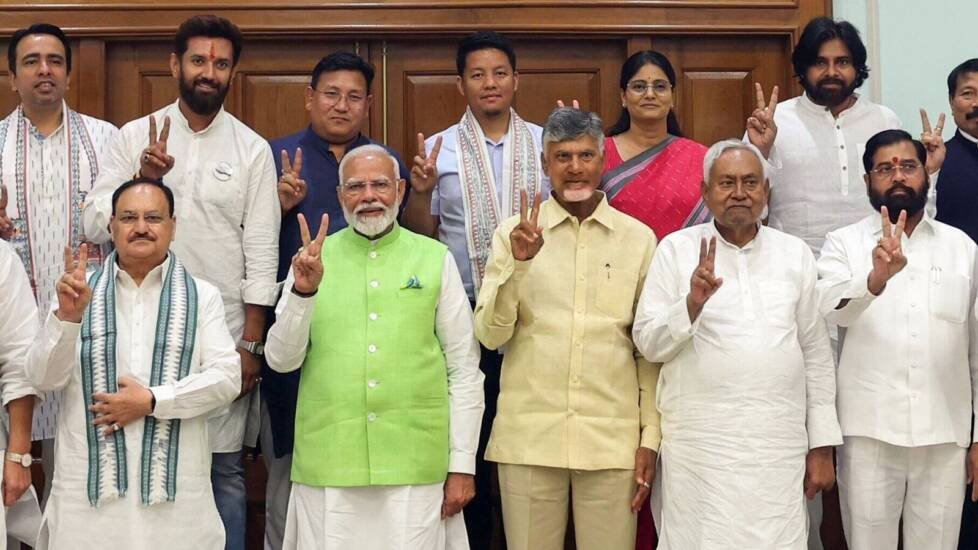
A clever cabinet reset would send three messages at once:
The government respects delivery.
It recognises fatigue.
It is preparing for the next decade.
That would make 2029 less about defending the past and more about renewing the future.
Same captain? Yes.
But if the match goes into the next innings, even the best captain needs the right team on the field.